The journey
From the galaxy's edge to the planets above you tonight
Cross the disc past the famous nebulae and black holes, each at its real place, through the stars round the Sun as they really lie. Then dive to the Sun: the planets and moons are where they are right now, so you can watch an eclipse on its real date or stand in Saturn's rings.
32,639real stars
28nebulae
19black holes
50stars to visit
8planets
6moons
Places
Where things are right now
Planets, stars, nebulae, black holes, probes and the Space Station, each where it is today: pick a kind of place, read what you are looking at, then fly there.
Planets
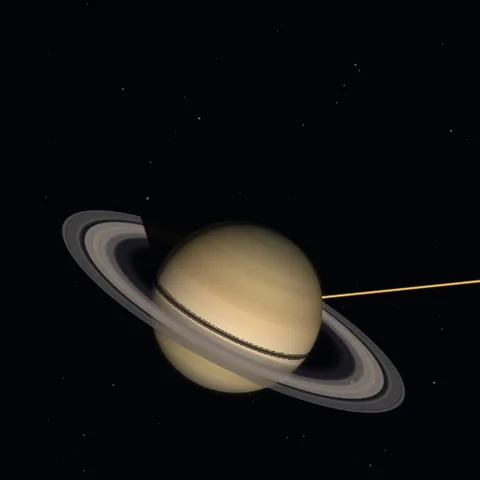 Where are the planets?Each planet and six moons where they are today, and which you can see without a telescope.
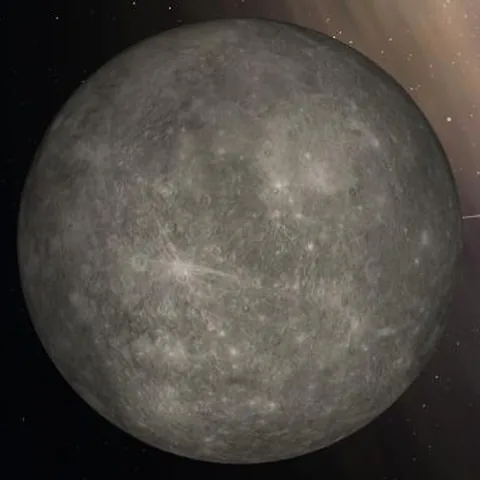 Where is Mercury?The smallest planet, whose day lasts two of its years.
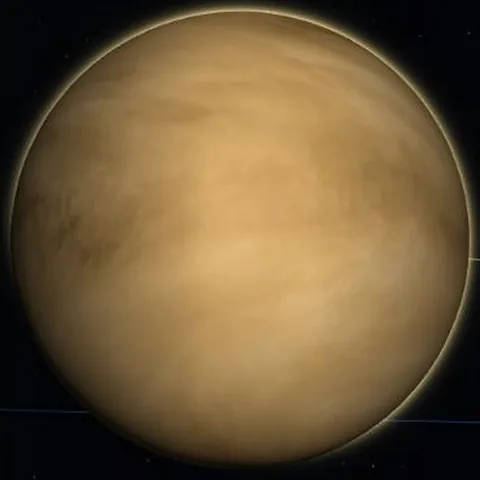 Where is Venus?The brightest planet, its backwards day, and a surface hot enough to melt lead.
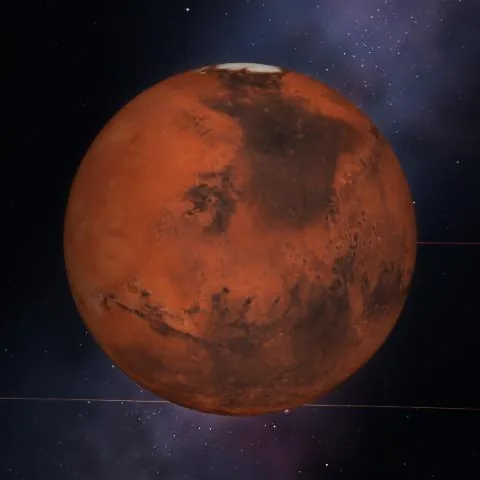 Where is Mars?Its 687-day orbit, how far it is from Earth, and why it is brightest every 26 months.
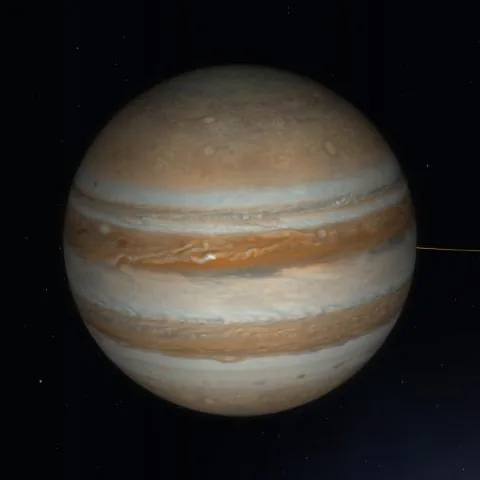 Where is Jupiter?The giant that outweighs the other planets twice over, and its four big moons, where they are today.
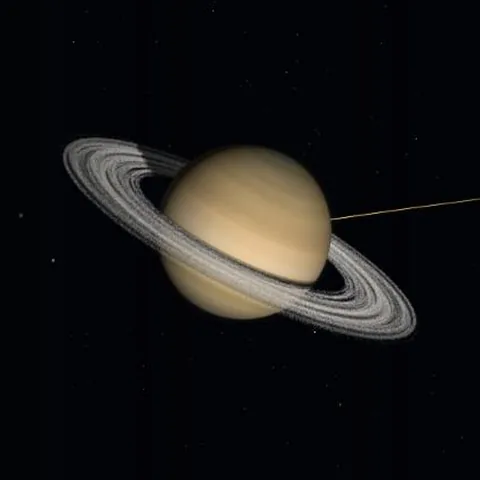 Where is Saturn?Its rings, why it would float, and Titan: fly in and stand among the ring particles.
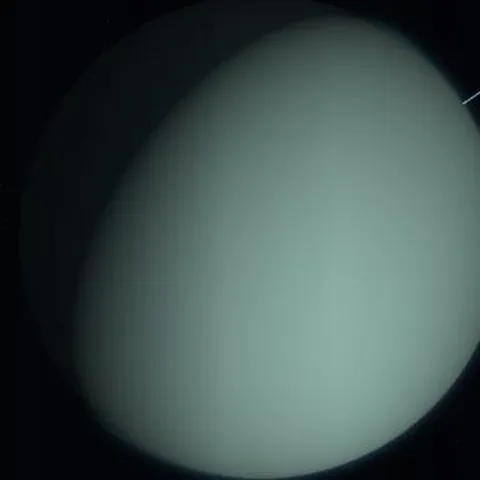 Where is Uranus?The planet on its side, found by Herschel in 1781, 19 times as far as the Earth.
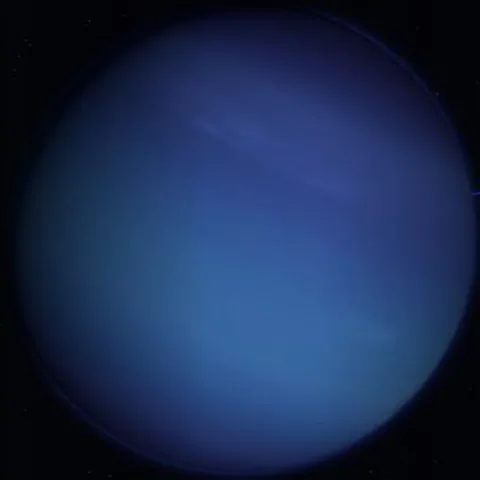 Where is Neptune?The windiest planet, found with mathematics before anyone saw it.
Moons
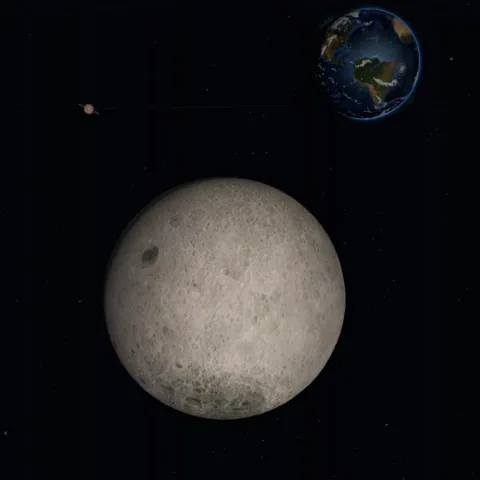
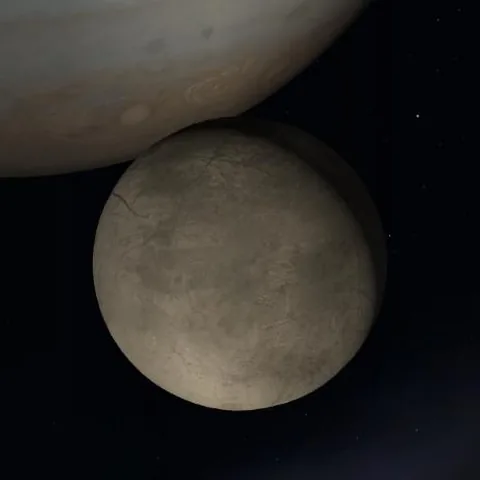
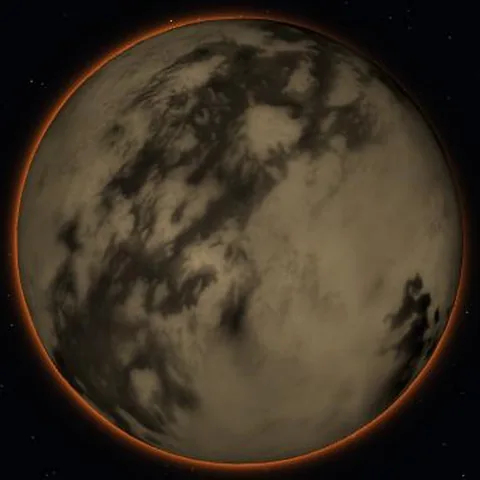
Earth & orbit
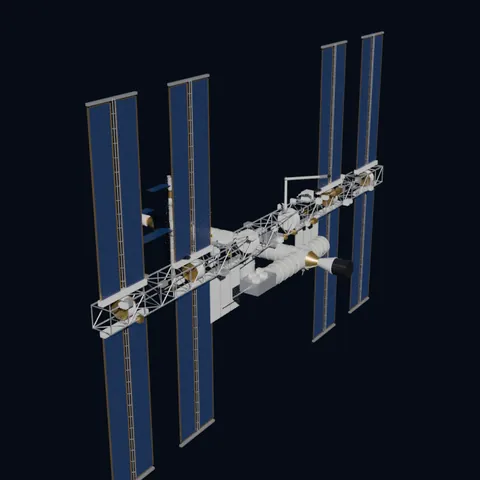
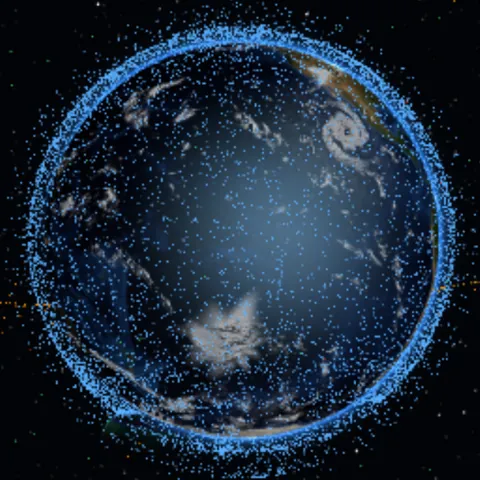
Probes & telescopes
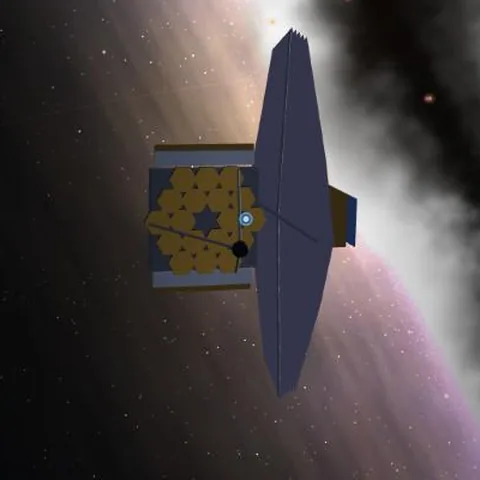 Where is the Webb telescope?1.5 million km out at L2, behind its sunshield, looking at the first galaxies.
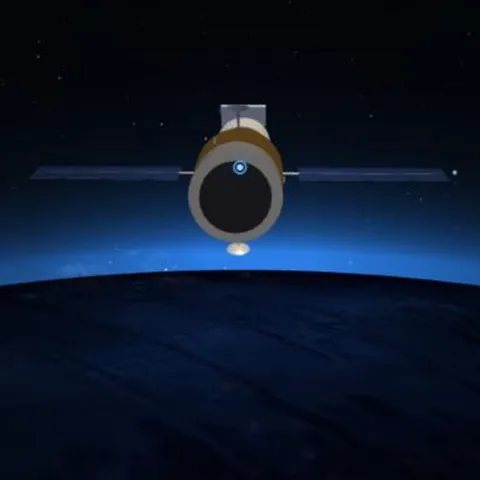 Where is Hubble?About 470 km up, once round every 95 minutes: fly alongside it.
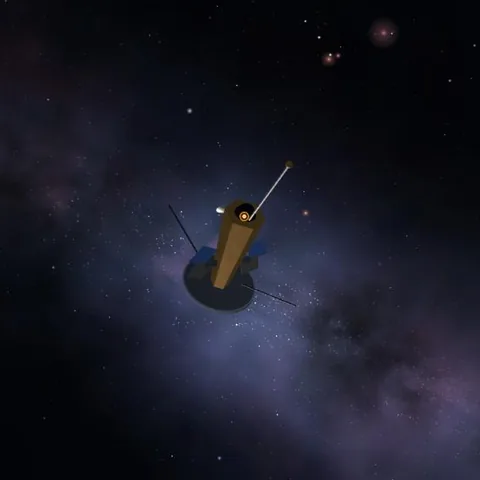 Parker Solar ProbeThe closest anyone has been to the Sun, at 190 km a second.
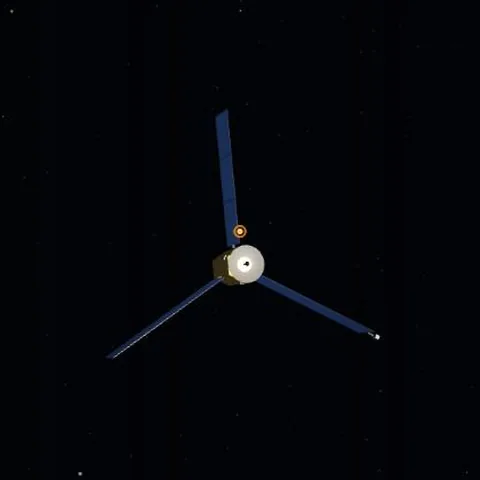 JunoThe solar-powered probe that has circled Jupiter since 2016.
Stars & galaxy
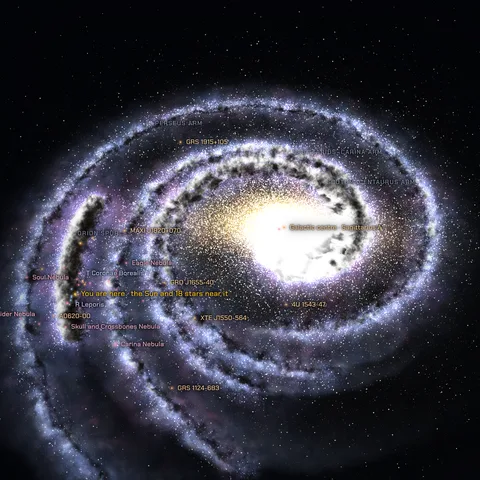 A 3D map of the Milky Way32,639 real stars at their measured places, and how we know the shape of a galaxy we live inside.
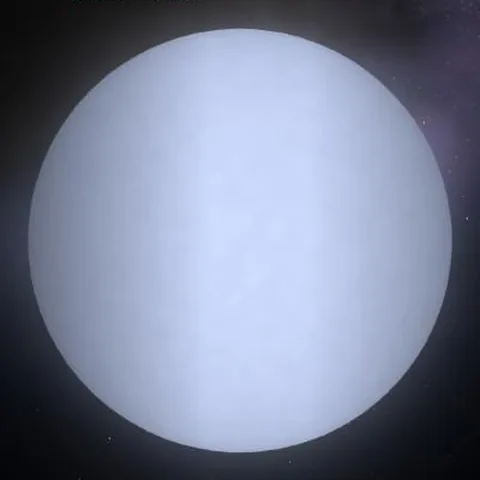 SiriusThe brightest star in the sky, 8.6 light-years away, and its white dwarf the size of the Earth.
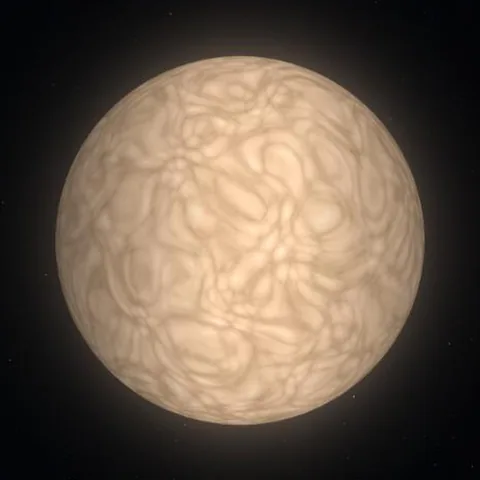 ArcturusAn orange giant 36.7 light-years away: the Sun's future, and the brightest star of the northern sky.
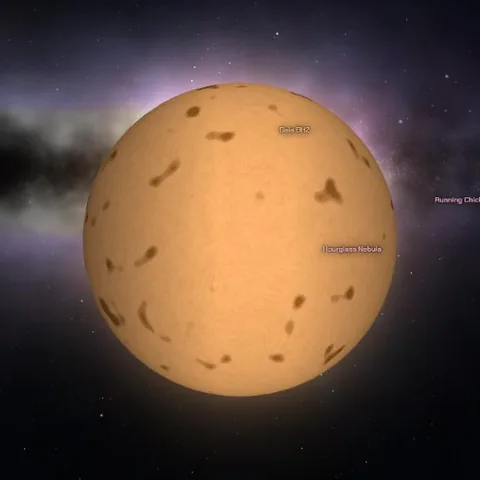 Proxima CentauriThe nearest star, 4.25 light-years away, and its two planets, one where water could be liquid.
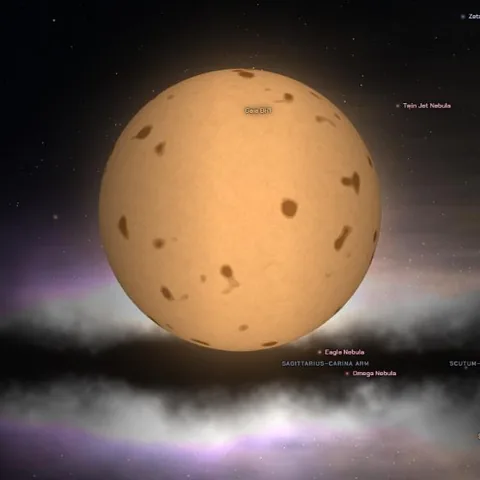 Barnard's StarThe fastest-moving star in our sky, 6 light-years away, and the small planet found there in 2024.
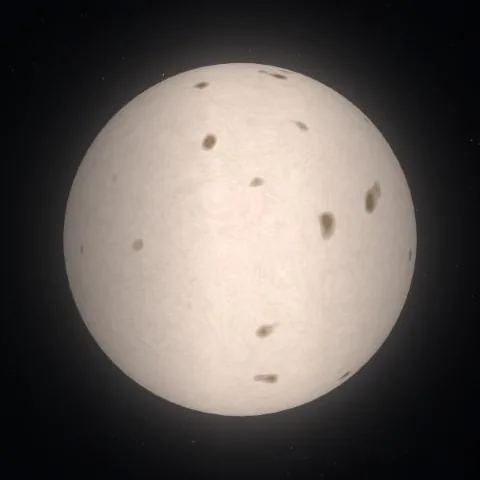 Tau CetiThe nearest single star like the Sun, 11.9 light-years away, with its dust belt and four candidate planets.
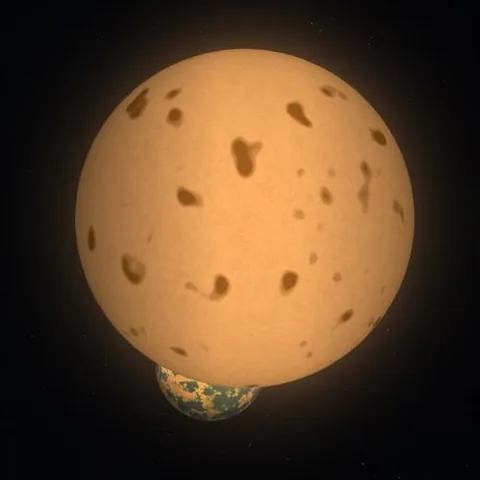 Teegarden's StarA tiny red dwarf 12.5 light-years away, with two planets of about the Earth's mass.
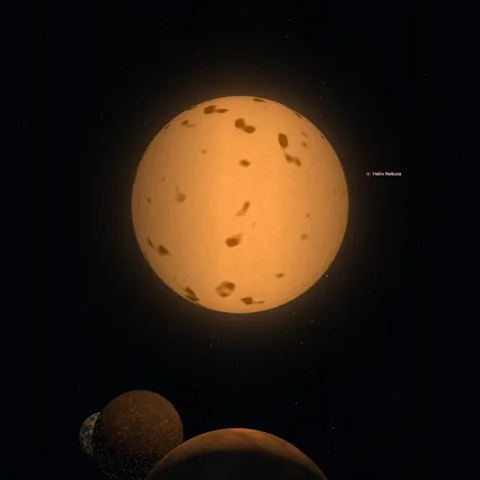 TRAPPIST-1Seven Earth-sized planets round one small star, 40 light-years away, three in the habitable zone.
Nebulae
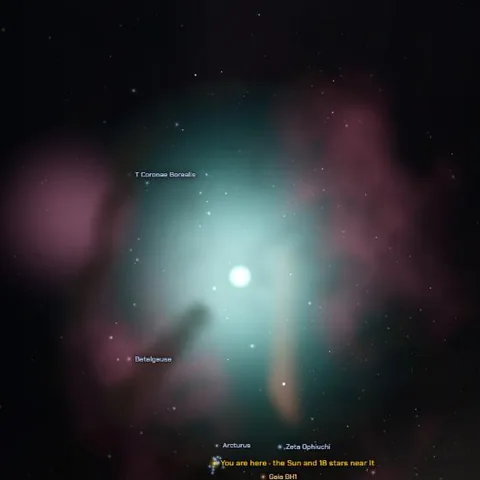 The Orion NebulaThe nearest great star nursery, 1,344 light-years away, visible to the eye in Orion's sword.
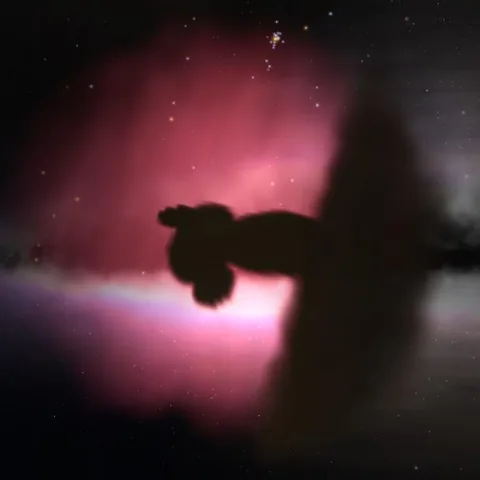 The Horsehead NebulaA dark cloud shaped like a horse's head, against a glow of hydrogen in Orion.
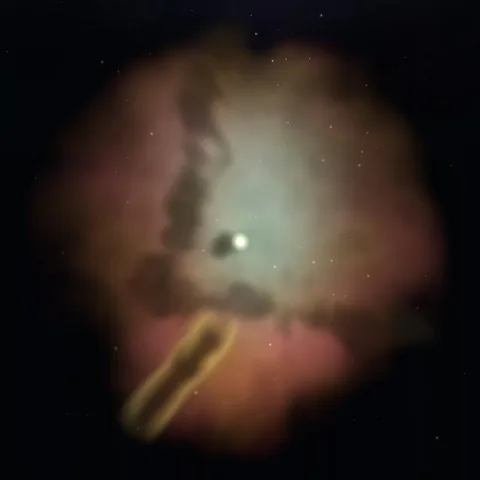 The Carina NebulaA huge star nursery 8,500 light-years away, home of the star Eta Carinae.
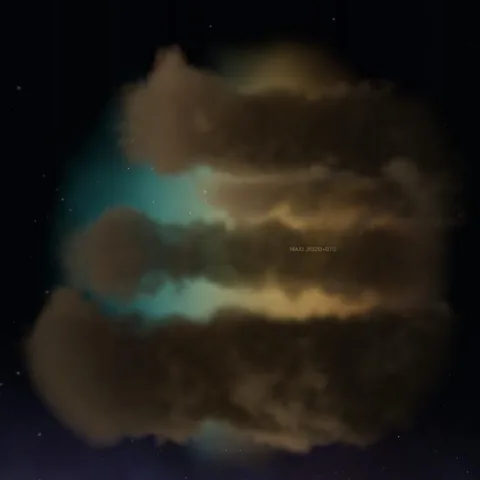 The Eagle NebulaThe Pillars of Creation: columns of gas light-years tall where new stars are forming.
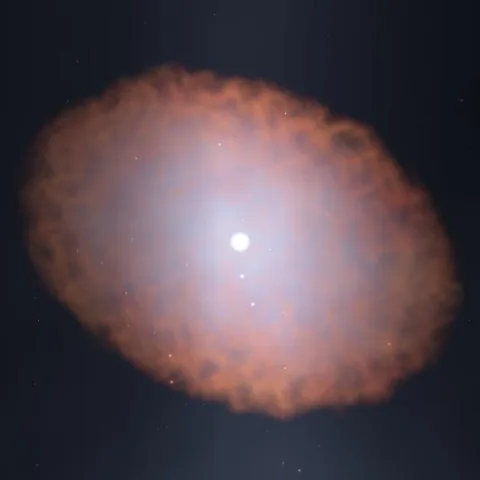 The Crab NebulaWhat is left of the star that exploded in 1054, with a pulsar spinning 30 times a second.
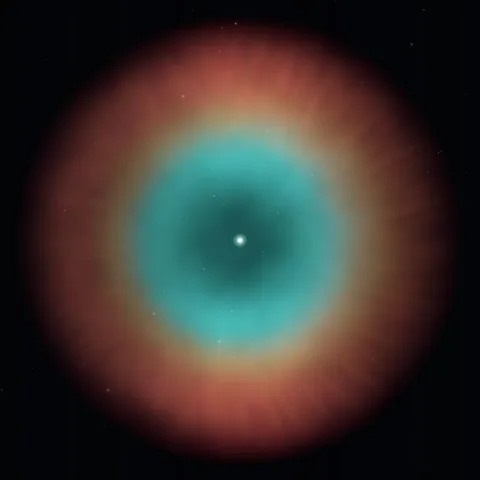 The Helix NebulaA dying star's shell: a preview of what the Sun will do in five billion years.
Black holes
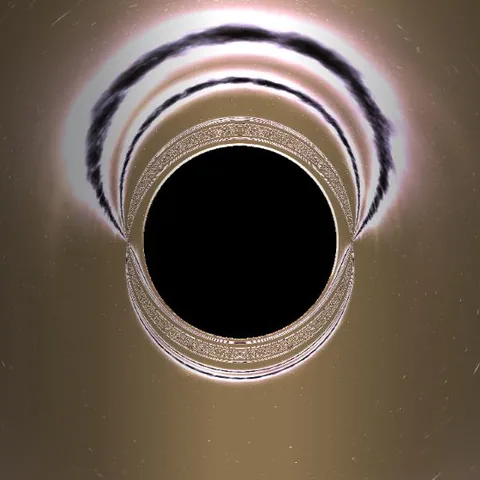 Sagittarius A*The black hole of four million Suns at the heart of the Milky Way, and the star that circles it.
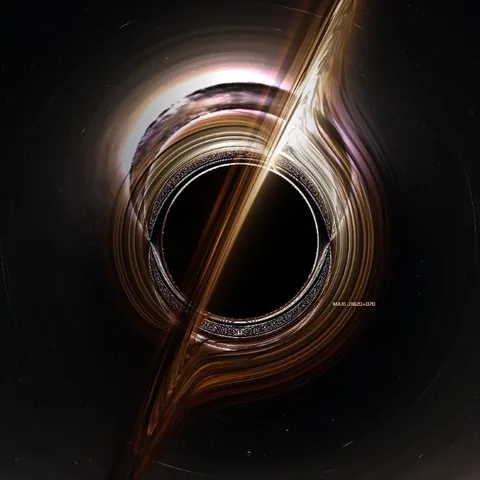 Cygnus X-1The first black hole anyone was sure of, 7,240 light-years away, tearing at its blue supergiant.
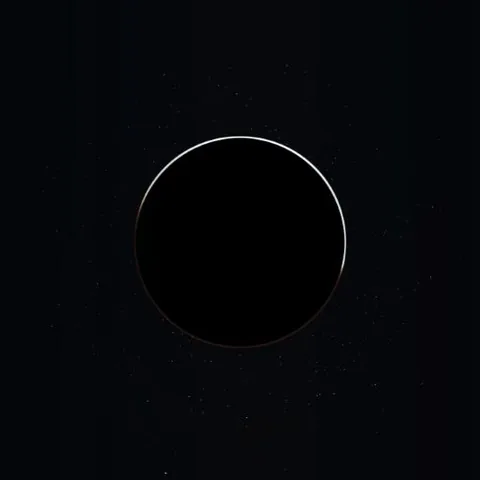 Gaia BH1The nearest black hole known, 1,560 light-years away, found by the wobble of a star.
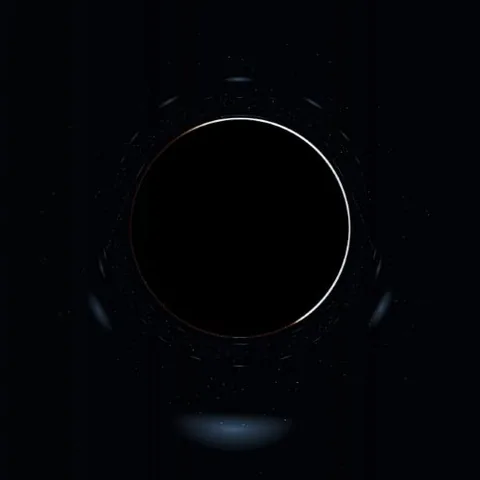 Gaia BH3The heaviest black hole of its kind in the Milky Way, 33 Suns, found in 2024.